Key Takeaways
- •Westchester is not one suburb, so the right answer depends on which town, which block, and which version of your life you are planning for.
- •The commute is the single biggest adjustment for most NYC transplants, so test it on a weekday before you commit.
- •School district lines do not follow town lines, so confirm the district for any specific address before you write an offer.
- •Build your cost-of-living number from your own taxes, loan, and commute, not a generic online calculator.
- •Get pre-approved before you tour seriously, and consider renting first if you do not yet know your town.
Last updated October 19, 2026
Is moving from NYC to Westchester worth it? A local REALTOR's honest guide to the commute, schools, cost of living, and buying process, with the questions you should ask before you commit.
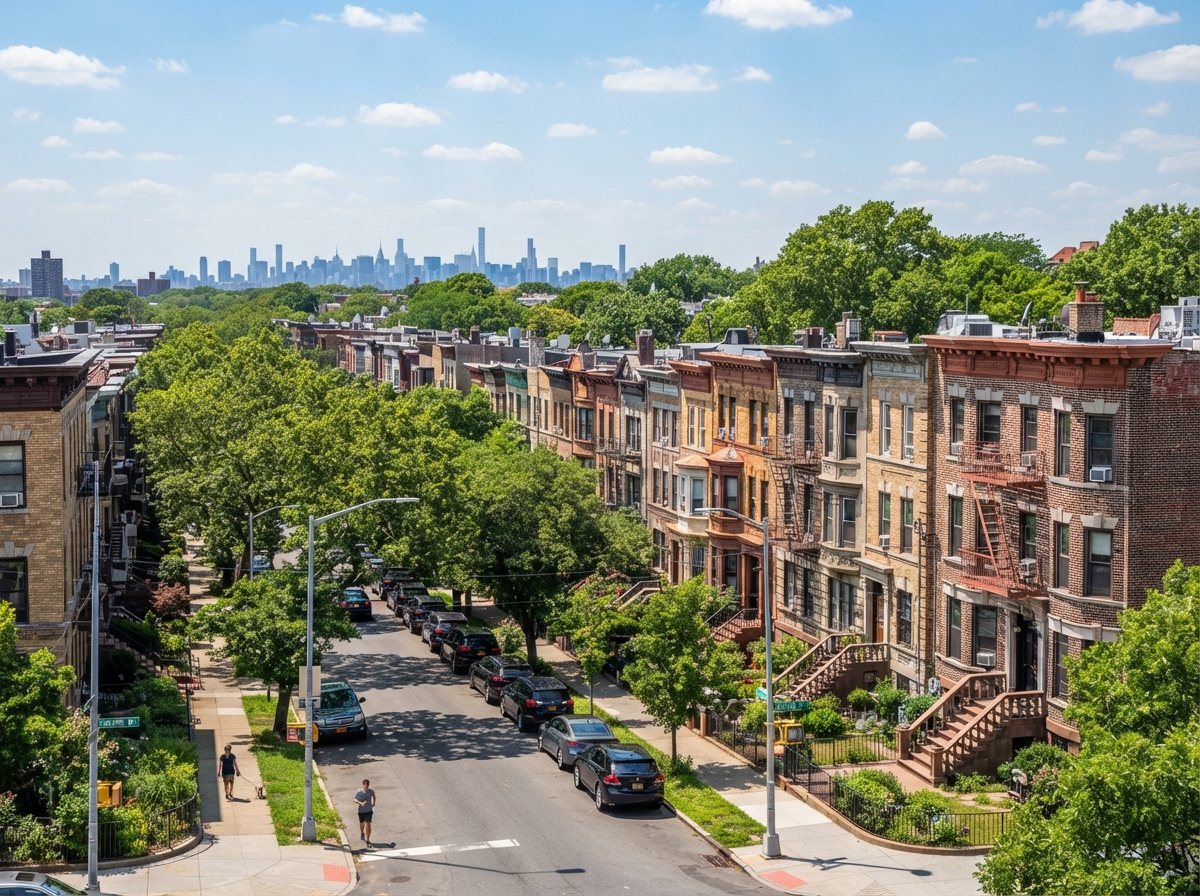
Most of the calls I get about moving from NYC to Westchester County start with a version of the same story. Someone has a lease coming up, or a second kid on the way, or a school decision on the calendar, and the apartment that worked five years ago stopped working. Underneath all of it is one question: is this actually worth it?
That question shows up in local forums constantly, and the pattern in the answers is hard to miss. People tend to make the move once kids enter the picture, when space and schools start driving the decision harder than the commute does. I hear the same thing in my own conversations, usually right before someone asks me which town they should be looking at.
Is Westchester One Place or Many?
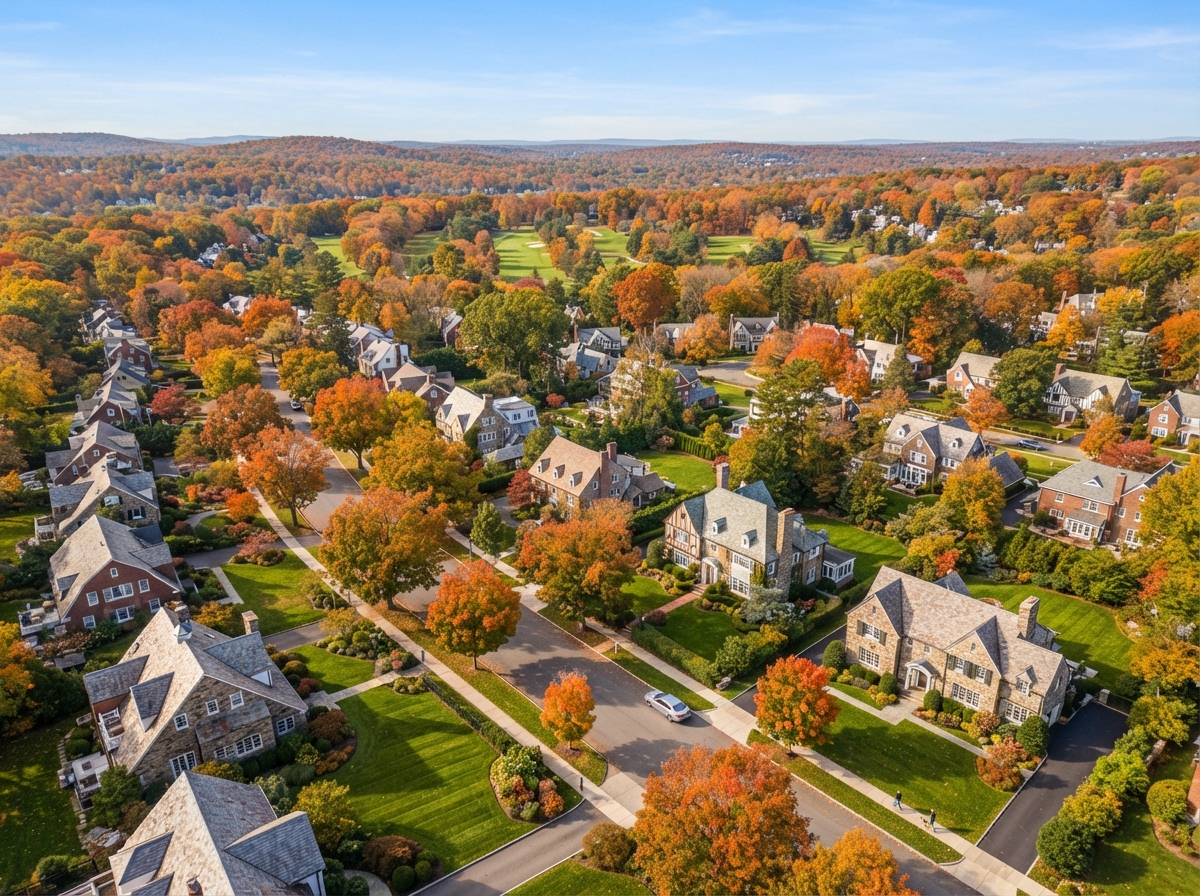
Westchester County sits just north of New York City. The easy mistake is treating it as a single suburb with a single personality. It is not. It is a mix of suburban neighborhoods and busy downtown areas, including towns along the Hudson River, and the difference between two towns a few miles apart can feel bigger than the difference between some city neighborhoods.
That variety is exactly why "should I move to Westchester" is a harder question than it sounds. The real answer depends on which town, which block, and which version of your life you are planning for. Anyone who gives you one blanket recommendation for the whole county is skipping the part that matters.
How Does the Commute Change More Than Your Zip Code?
I am not going to hand you a chart of commute times, because those numbers swing depending on the town, the distance from your house to the station, and whether you drive or take the train. What I will tell you is that the commute is the single biggest adjustment for most NYC transplants, and it deserves a test run instead of a guess.
Here is what I suggest before you commit to anything:
- 1.Ride the train at the exact time you would actually leave, on a weekday, not on a Sunday afternoon.
- 2.Drive the route in the morning and again in the evening, and notice where the slowdowns happen.
- 3.Check parking at the station you would use, both the lot situation and any permit requirement.
- 4.Walk from the station to a couple of houses you like and see how that feels in bad weather.
- 5.Ask your employer about flexibility before you buy, not after you close.
People also underestimate how much easier a car becomes in Westchester. One of the most common things transplants mention is that owning a car is simpler here, with parking widely available and far fewer restrictions than in the city. The trade-off is that you are now insuring, fueling, and maintaining that car, sometimes two of them.
Why Do Schools Drive Most of These Moves?
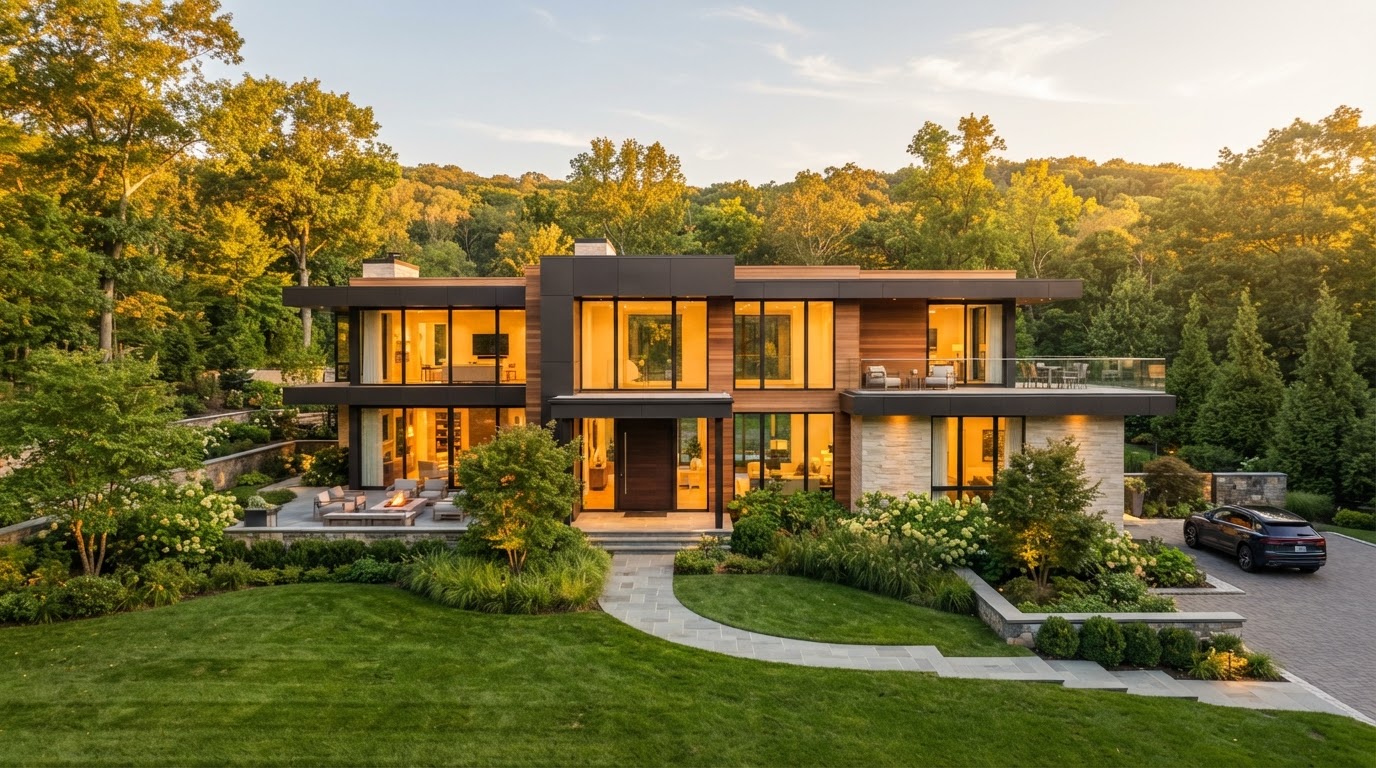
If I had to name the single trigger behind most of my relocation calls, it is kids. That matches what people say publicly when they discuss the move, which is that many wait until they have children and then start looking north. School districts are usually the first filter and the last one, which is why I ask about boundaries early in the conversation.
One caution from experience: school district lines do not always follow town lines or zip codes. Do not assume. Confirm the district for a specific address with the district itself before you write an offer. The same goes for program placement, transportation, and anything you read on a forum. Verify it at the source.
Where Does the Money Actually Go in Cost of Living?
I do not publish dollar figures in a guide like this, because they go stale and because they depend on your block, your assessment, your loan, and your tolerance for a longer list of expenses. What I can do is tell you which buckets change when you leave the city, so you can build your own number.
- •Property taxes. A major line item in most Westchester budgets. Confirm the current figure for a specific property with the town assessor.
- •Car costs. Insurance, fuel, maintenance, and parking, none of which were in your city budget.
- •Utilities and maintenance. A house has a roof, a boiler, a yard, and a driveway, and each one eventually asks for money.
- •Commute costs. Train fares, station parking, or both. Verify current rates with the operator.
- •Space. More square footage usually means more to heat, cool, and furnish.
- •What comes down. If you were renting in the city, that rent payment ends, and some families find they spend less on certain conveniences.
The right way to compare is with your own numbers, built from a lender conversation and a tax lookup on a specific address, not a generic online calculator that has never seen your street.
Should You Rent First or Buy Right Away?
Some relocating families rent in Westchester for a year, learn the towns, and buy once they know where they actually want to be. Others already know their town and buy immediately. Both work. Renting first costs you an extra move, but it can save you from buying on the wrong side of the county and regretting it for years.
If you go the rental route, start early. Landlords here have their own application standards and timelines, so ask up front what they will want from you, and line that up before you fall in love with a house.

What Is the Buying Process in Westchester, Step by Step?
- 1.Talk to a lender and get pre-approved before you tour seriously. Pre-approval tells sellers you can close and tells you what you can actually afford.
- 2.Build a shortlist of towns, not just a price range. I help clients rank towns by commute, schools, and budget fit.
- 3.Tour with an agent who knows the difference between two streets in the same town.
- 4.Make an offer. Price, terms, timing, and contingencies all carry weight here.
- 5.Attorney review and contract. Work with an attorney on the contract and the closing details.
- 6.Inspection, plus any additional testing you decide you want.
- 7.Appraisal and underwriting with your lender.
- 8.Title work and a final walk-through.
- 9.Closing and keys.
Your lender, attorney, and title company confirm the specifics of your deal. My job is to keep the process moving, flag problems before they cost you money, and tell you the truth about a house even when it means losing a sale.
Questions I Ask Every Relocating Buyer
- •What does your actual week look like, including the commute?
- •Which towns are you drawn to, and what specifically draws you there?
- •How do you weigh schools against commute time?
- •What is your real budget, including taxes and ongoing costs?
- •Do you need to be in by a certain date?
- •Are you open to renting first?
- •Which non-negotiables would you drop to get into a town you love?
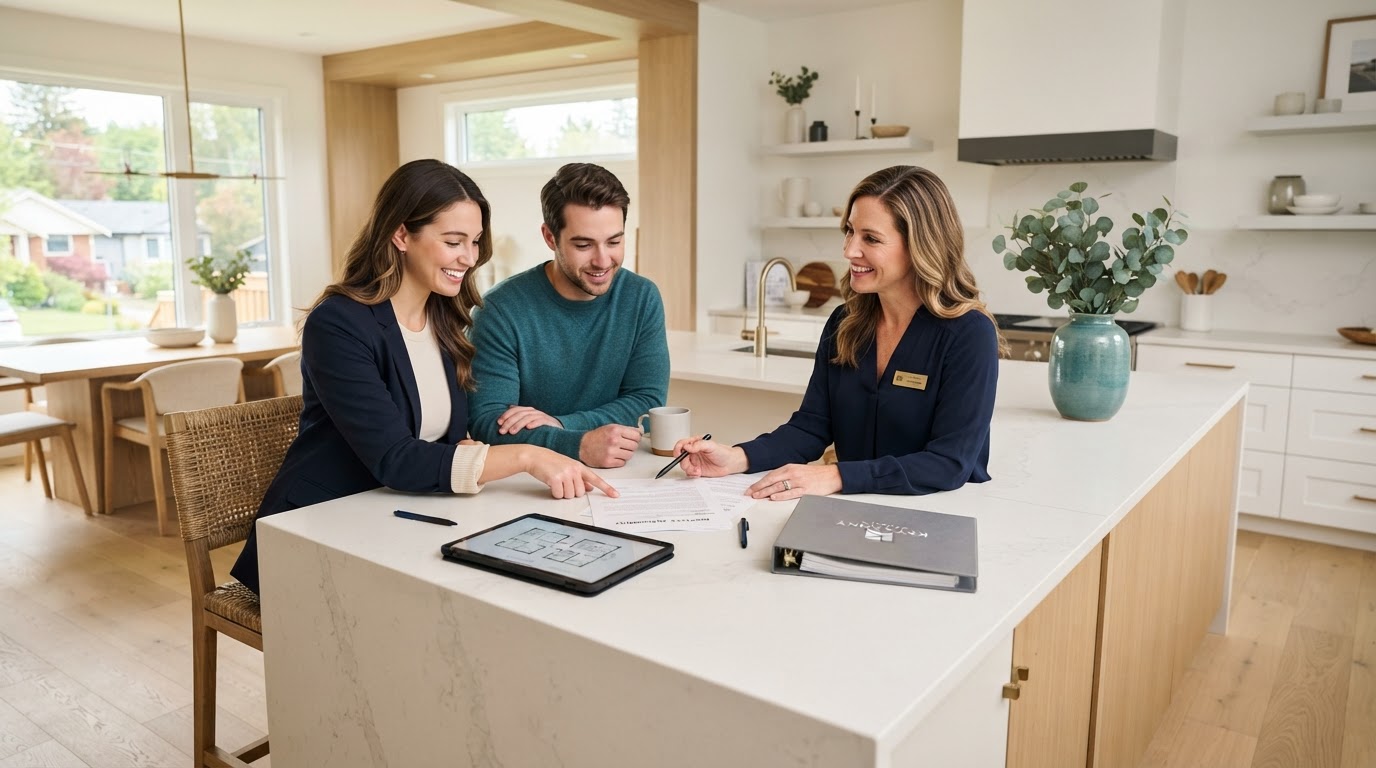
How I Help People Move from NYC to Westchester County
I am Joseph Delli Carpini, a licensed REALTOR with Real Broker NY. I work with buyers, sellers, investors, and renters across Westchester County, the Bronx, and Putnam County. Most of my relocation clients are coming from the city and want a straight answer about which towns fit their commute, their schools, and their budget.
My approach is process, not an event. I would rather spend an hour helping you eliminate three towns than show you fifteen houses you already know are wrong. Reach out and I will walk you through what is available, what your number looks like, and what the next step should be. You can also browse current listings and local market commentary on the blog.
"Buying or selling a home is a process, not an event. My goal is to make that process as stress-free, transparent, and educational as possible."
Thinking about moving from NYC to Westchester County? Let's talk about your commute, your schools, and the towns that fit your life.
Let's TalkExplore These Communities
Frequently Asked Questions
Is moving from NYC to Westchester County worth it?
For a lot of families, yes. The usual reasons are space and schools, and many people make the move once children are in the picture. Whether it is worth it for you depends on your commute, your budget, and which town you land in, because Westchester is a mix of suburban neighborhoods and busy downtown areas rather than one uniform suburb.
Will I need a car in Westchester County?
In most parts of the county a car makes daily life easier. One of the most common things transplants mention is that owning a car is simpler than in the city, with parking widely available and fewer restrictions. The trade-off is insurance, maintenance, fuel, and sometimes station parking, so plan for those costs before you commit to a town.
How do I choose the right town in Westchester County?
Rank towns on the things that shape your daily life: commute, schools, budget, and the feel of the downtown. Then visit on a weekday and test the commute at the time you would really travel. Confirm school boundaries for a specific address with the district, and confirm property taxes with the town, because both can vary within a short distance.
Should I rent first or buy right away in Westchester?
Renting for a year can help you learn the towns before you commit, and it takes pressure off a deadline. Buying right away makes sense when you already know the town you want and your budget is clear. Either path works. Just get pre-approved first so you know your real number.
How soon should I start the moving process?
Start with a lender before you tour homes, then line up an agent and a shortlist of towns. Give yourself room to see inventory, because the right house in the right town may not appear the week you start looking. If you have a lease ending, work backward from that date and leave a buffer for closing.
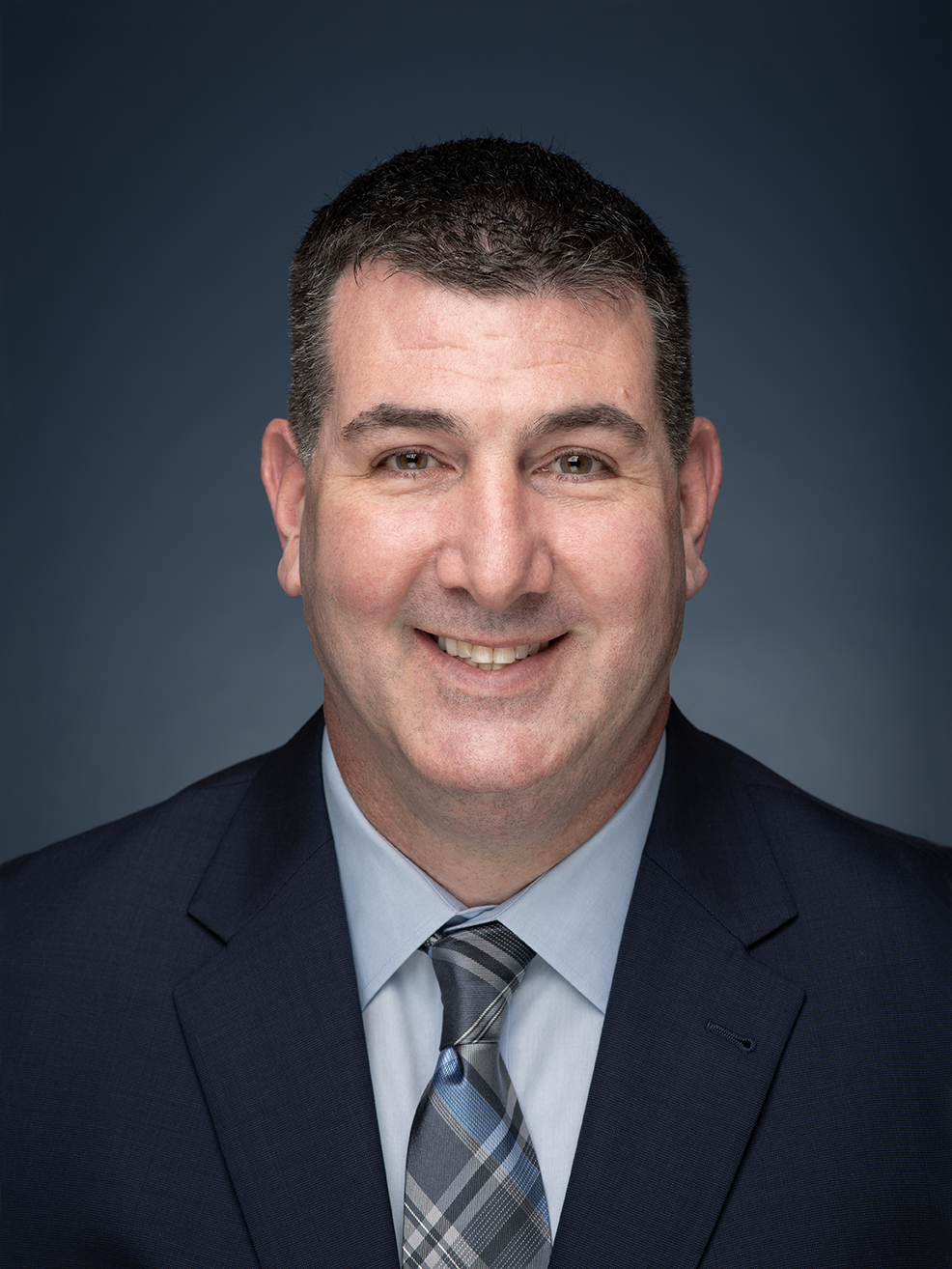
Joseph Delli Carpini
Licensed Real Estate Salesperson, REALTOR® with Real Broker NY
Joseph Delli Carpini is a Licensed Real Estate Salesperson and REALTOR® with Real Broker NY, and a resident of Mount Pleasant in Westchester County. Before real estate, he served nearly 25 years as a civil servant in Westchester County and New York City. He helps buyers, sellers, investors, and renters throughout Westchester County, Putnam County, and the Bronx, building relationships on trust, communication, and exceptional service.