Key Takeaways
- •If you live in one unit, you can often buy a 2–4 family home with a low down payment: as little as 3.5% with an FHA loan or 5% with some conventional loans.
- •Lenders may count part of the expected rent from the other units toward your income, which can help you qualify for more.
- •FHA requires you to live in one unit as your primary residence to qualify for the low down payment.
- •Inspect the building's systems, check for separate utilities, review existing leases, and confirm the legal unit count with the city.
- •Being a landlord means managing tenants, repairs, and rent collection under New York's landlord-tenant rules.
Last updated November 13, 2026
Live in one unit and rent the others. Here's how buying a 2–4 family home in Westchester works, from low down payment options to using rental income to qualify.
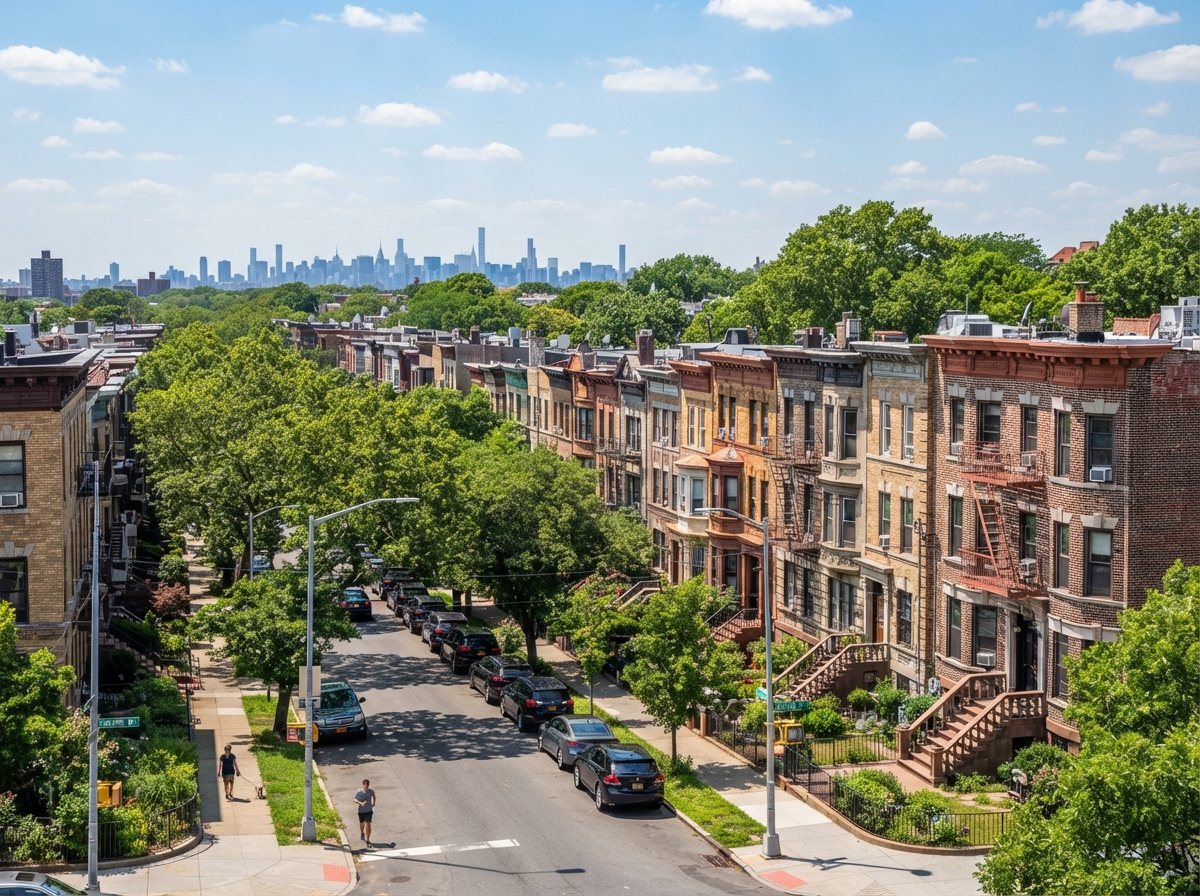
For many buyers moving from New York City, a multi-family home can be a smart way to get into Westchester. You live in one unit, rent out the others, and let that rental income help with the mortgage. It's often called "house hacking," and Westchester cities like Yonkers, Mount Vernon, and New Rochelle have plenty of two-, three-, and four-family homes. Here's how it works.
"If you plan to live in one of the units, you can often buy a 2–4 family home with a low down payment: as little as 3.5% with an FHA loan, or 5% with some conventional loans. Lenders may also count part of the expected rent from the other units toward your income, which can help you qualify. Being a landlord comes with responsibilities, so plan carefully."
Why buy a multi-family home?
Because the rent from the other units can offset a big part of your housing cost.
Instead of carrying the full mortgage on your own, your tenants help cover it. Over time, you build equity in a property that produces income. And when you're ready to move, you can keep the building as a rental.
How low can the down payment be?
It depends on the loan program, but owner-occupied multi-family homes can qualify for low down payments.
FHA loans allow as little as 3.5% down on a home with up to four units, as long as you live in one of them and meet FHA's requirements. Some conventional loans allow 5% down on owner-occupied 2–4 unit homes. VA loans can also be used for multi-family homes for eligible borrowers who live in one unit.
Can rental income help me qualify?
Often, yes. Lenders may count a portion of the expected rent from the other units as income, which can increase how much you qualify for.
Lenders typically use a percentage of the rent rather than the full amount, to account for vacancies and expenses. For three- and four-unit homes, FHA also applies an extra test to make sure the property's rental income can support the mortgage. Your loan officer can explain how this applies to the homes you're considering.
What should you look for in a multi-family home?
- •The condition of the building: older multi-family homes are common, so inspect the roof, heating systems, plumbing, and electrical carefully.
- •Separate utilities: separate meters can make it easier to share costs with tenants.
- •Current leases and rents: review existing leases, rents, and security deposits before you buy.
- •Local rules: check with the city about permits and legal unit counts, so you know every unit is approved.
What does it take to be a landlord?
Owning a multi-family home means managing tenants, repairs, and rent collection. New York has specific rules for landlords, including limits on security deposits and requirements for returning them.
Before you buy, make sure you're comfortable with the responsibilities, or budget for a property manager.
The Bottom Line
A 2–4 family home can be a smart path to owning in Westchester, especially for buyers moving from New York City. If you live in one unit, low down payment options may be available, and lenders may count part of the rent from the other units toward your income. Inspect carefully, review the leases and legal unit count, and make sure you're ready to be a landlord.
Frequently Asked Questions
Q: Can I buy a multi-family home with a low down payment? A: Yes, if you live in one of the units. FHA allows as little as 3.5% down on 2–4 unit homes, and some conventional loans allow 5% down.
Q: Can rental income help me qualify for a mortgage? A: Often, yes. Lenders may count a portion of the expected rent from the other units as income.
Q: Do I have to live in the property? A: For low down payment options like FHA, yes. You must live in one of the units as your primary residence.
Q: What should I check before buying a multi-family home? A: The building's condition, separate utilities, current leases and rents, and the legal number of units approved by the city.
Keep Learning
- •Read: Investing in Westchester County Real Estate: What Investors Need to Know
- •Read: Moving from NYC to Westchester County: A Relocation Guide for Families
- •Read: Co-op vs. Condo in Westchester: What NYC Movers Should Know
Thinking about buying a multi-family home in Westchester? Let's talk about what you need, what you want, and what matters most to you.
Let's TalkExplore These Communities
Frequently Asked Questions
Can I buy a multi-family home with a low down payment?
Yes, if you live in one of the units. FHA allows as little as 3.5% down on 2–4 unit homes, and some conventional loans allow 5% down.
Can rental income help me qualify for a mortgage?
Often, yes. Lenders may count a portion of the expected rent from the other units as income.
Do I have to live in the property?
For low down payment options like FHA, yes. You must live in one of the units as your primary residence.
What should I check before buying a multi-family home?
The building's condition, separate utilities, current leases and rents, and the legal number of units approved by the city.
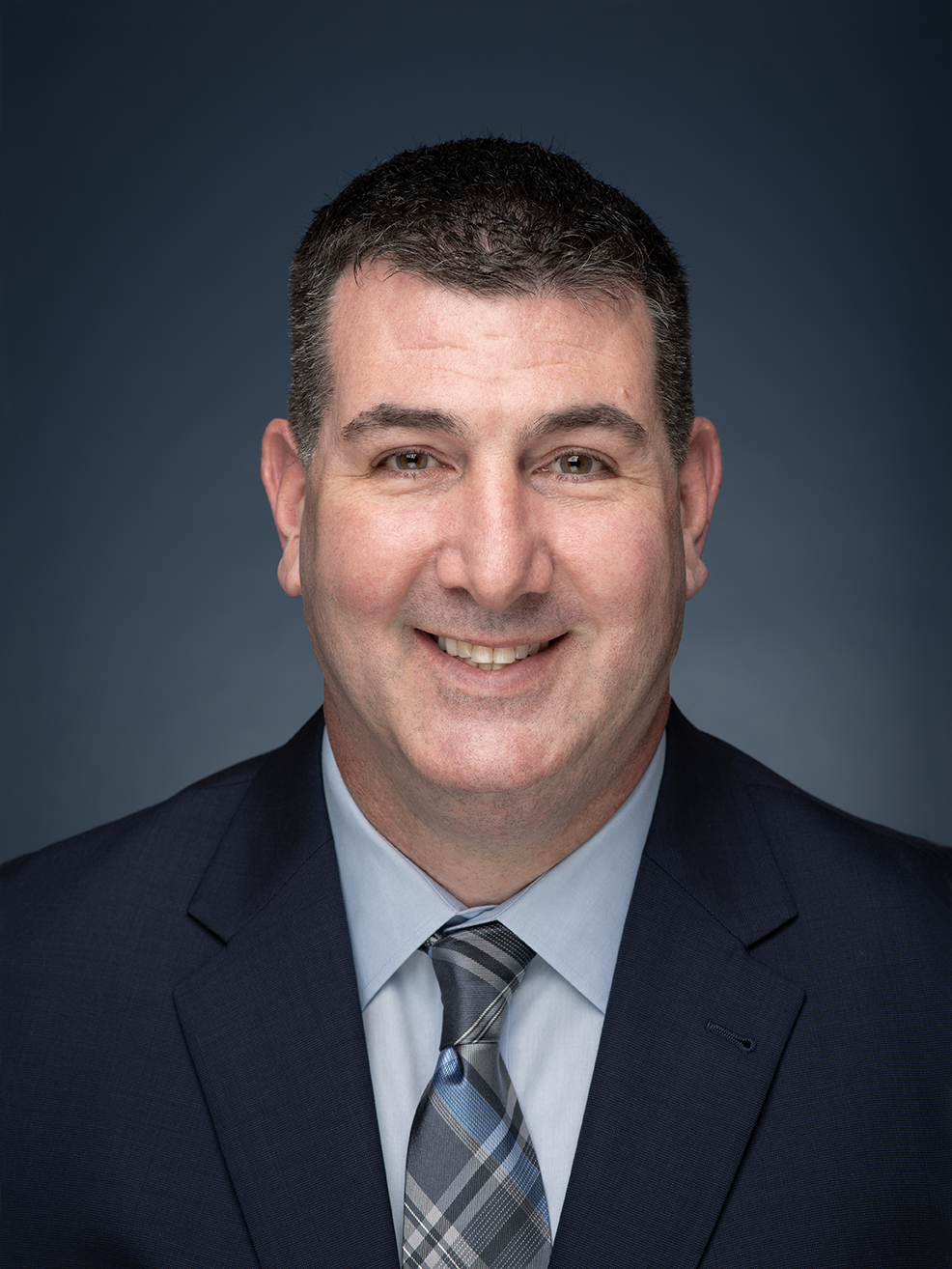
Joseph Delli Carpini
Licensed Real Estate Salesperson, REALTOR® with Real Broker NY
Joseph Delli Carpini is a Licensed Real Estate Salesperson and REALTOR® with Real Broker NY, and a resident of Mount Pleasant in Westchester County. Before real estate, he served nearly 25 years as a civil servant in Westchester County and New York City. He helps buyers, sellers, investors, and renters throughout Westchester County, Putnam County, and the Bronx, building relationships on trust, communication, and exceptional service.